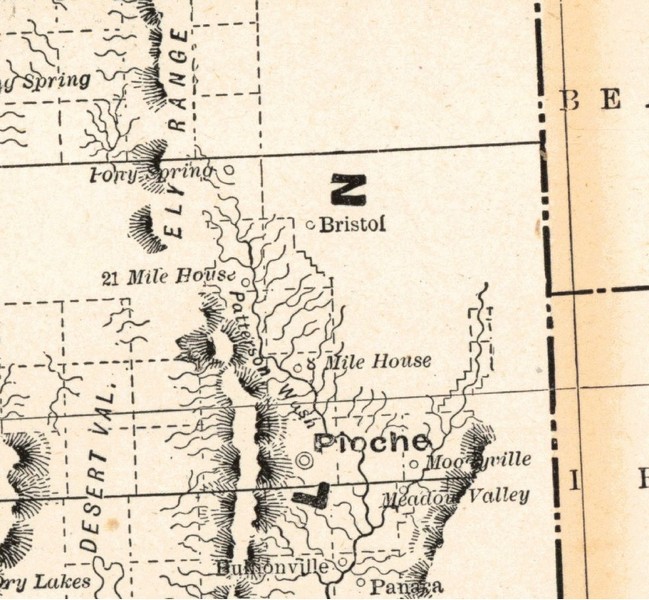
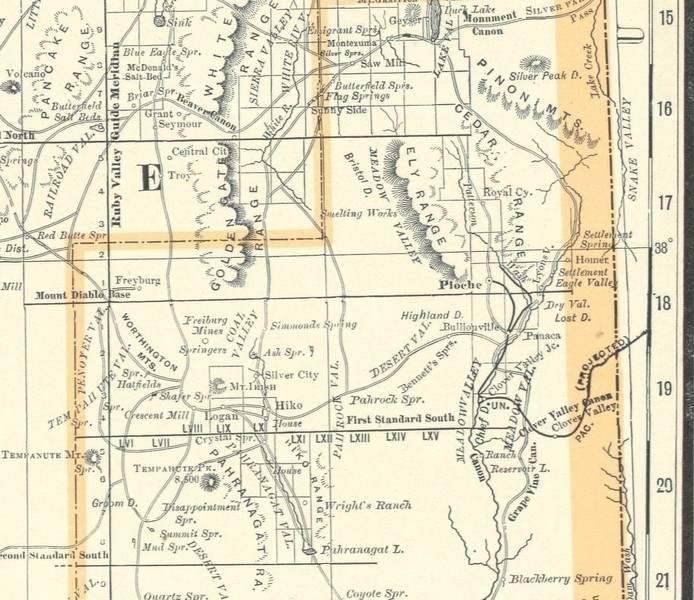
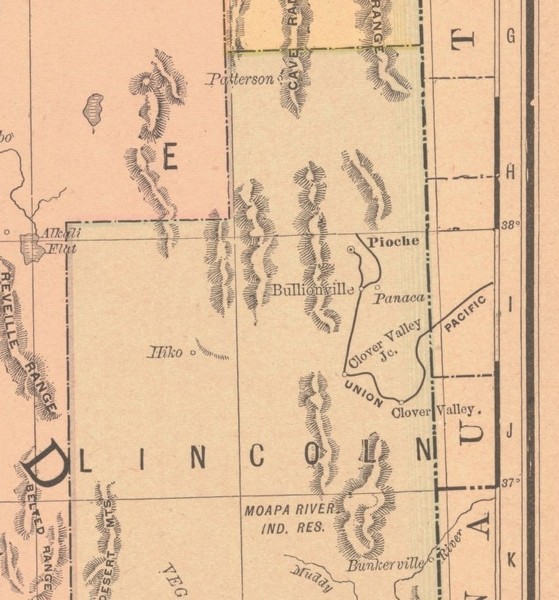
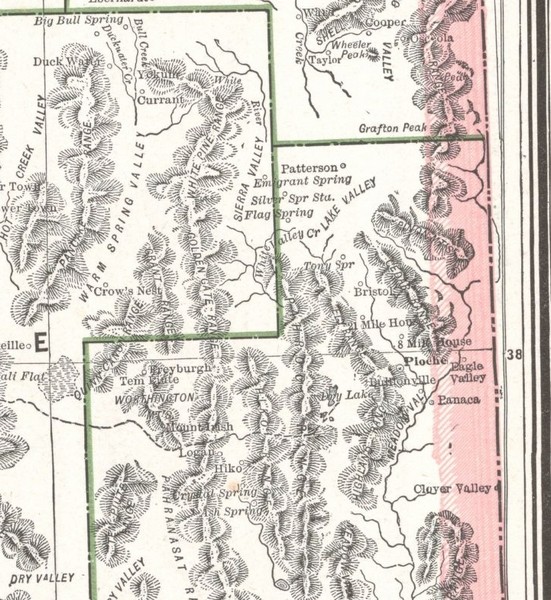
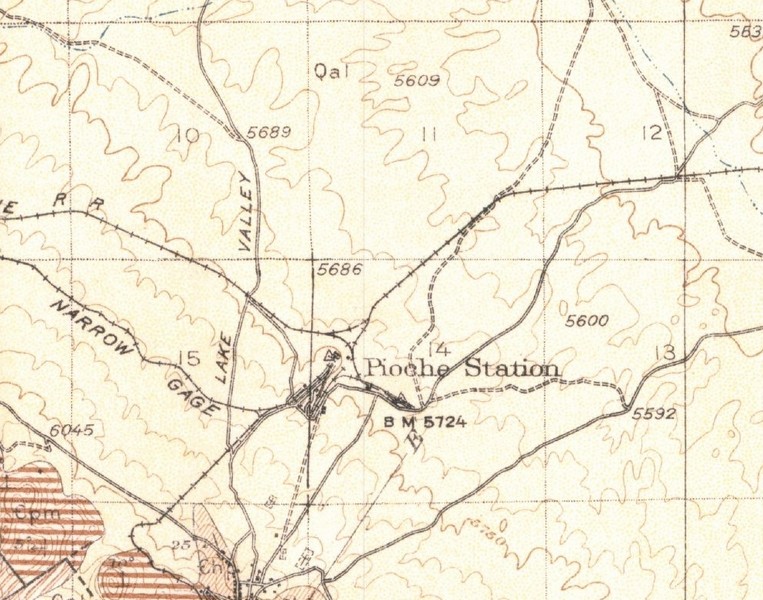
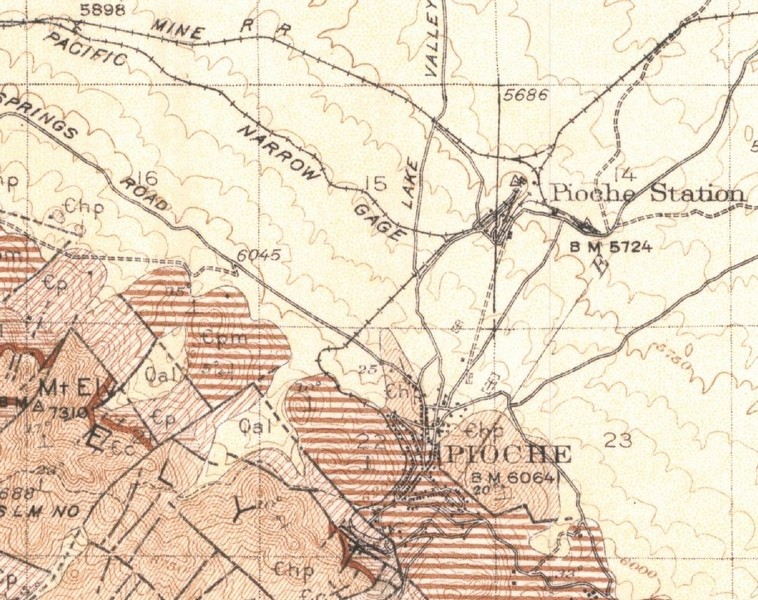
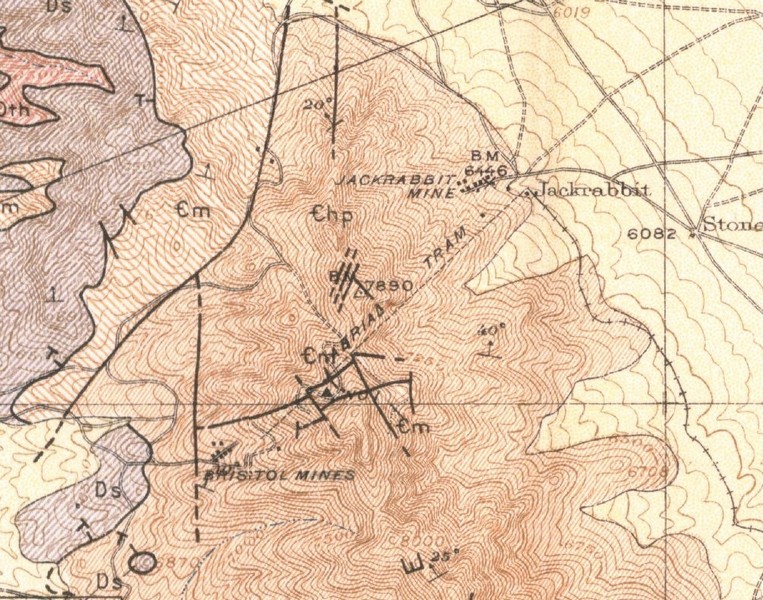
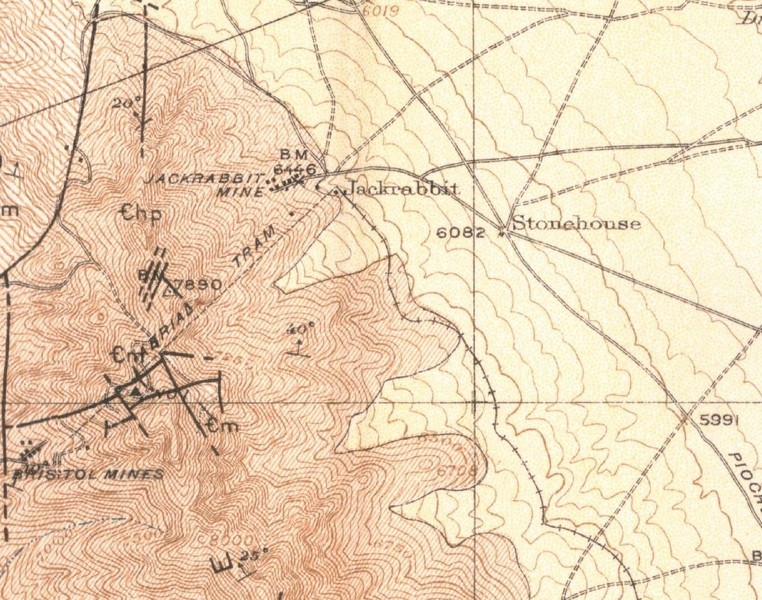
PLEASE VISIT THESE LINKS ASSOCIATED WITH THIS SAME LOCATION. PAGES WERE IN CREATION INVOLVING INDIVIDUAL RAILROAD LINES IN THIS AREA BUT IT HAS BEEN REALIZED THERE IS SOME CONFUSION AS TO SEPARATION OF EACH SO FOR NOW REVIEW ALL INFO AS TO THIS LOCATION ?


LINK 1

LINK 2

LINK 3


The Rise and Fall of the Prince Mine

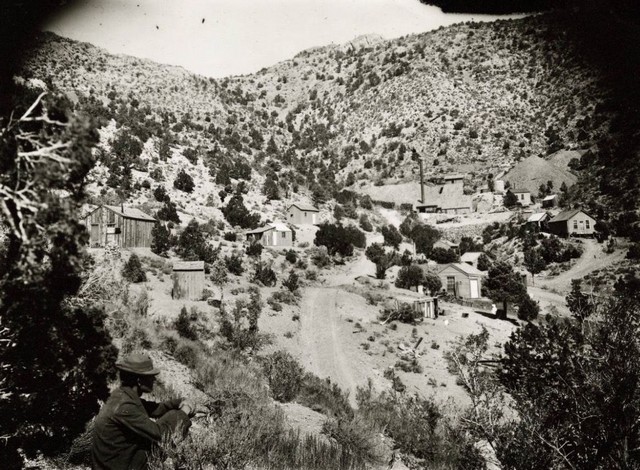
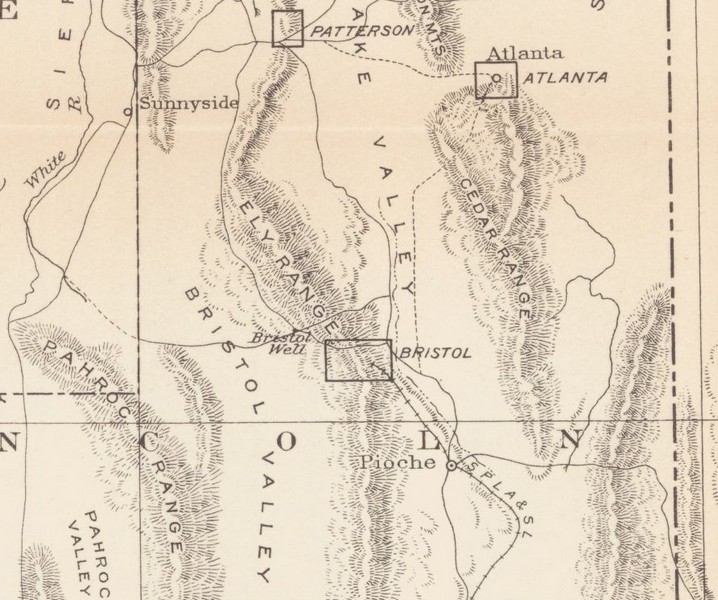
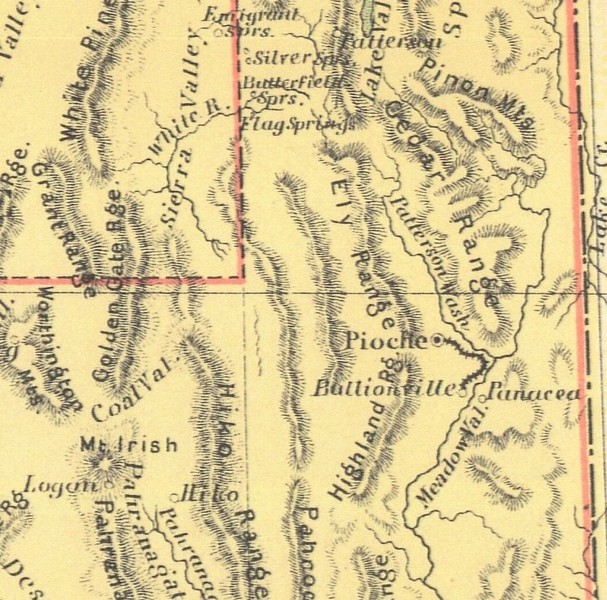
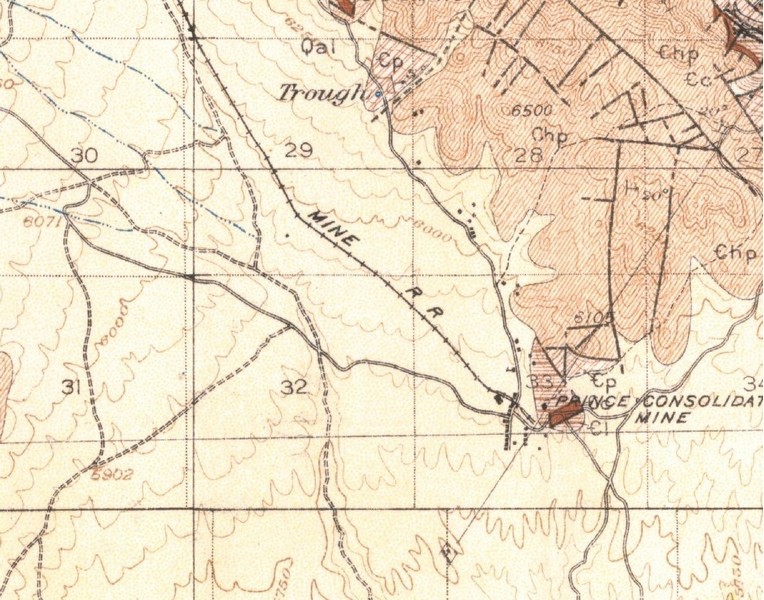
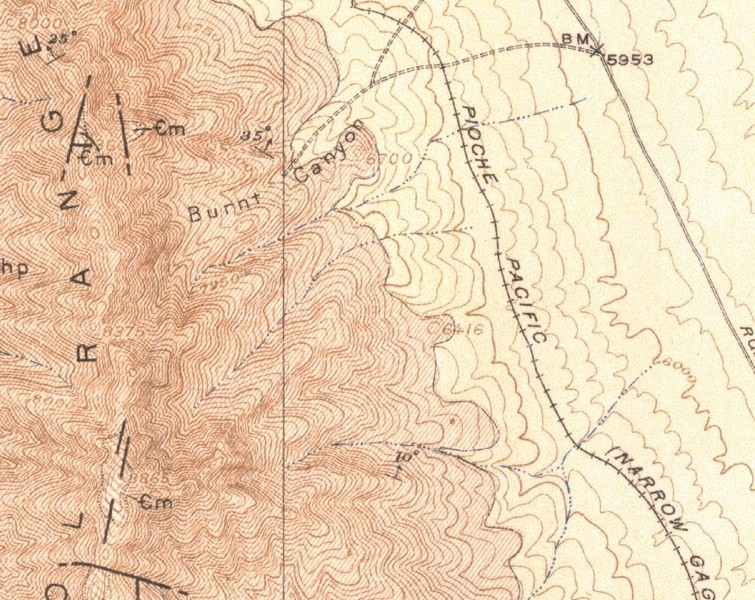
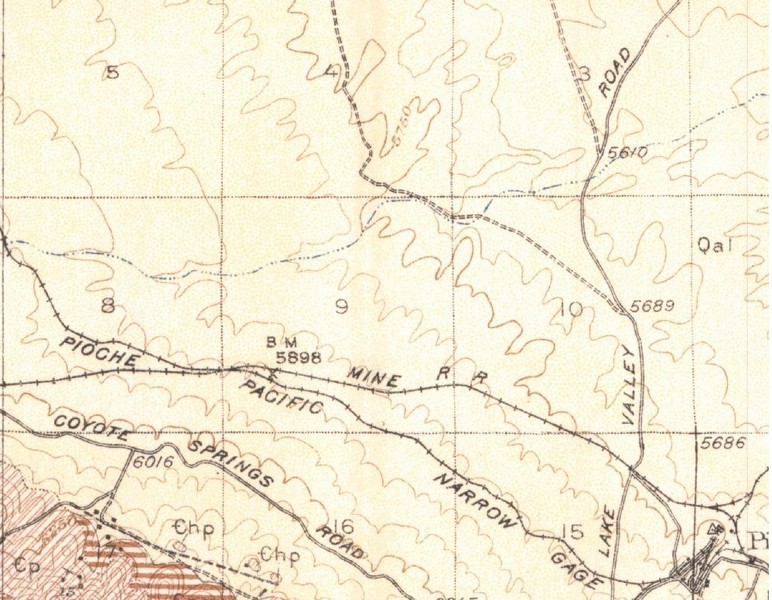
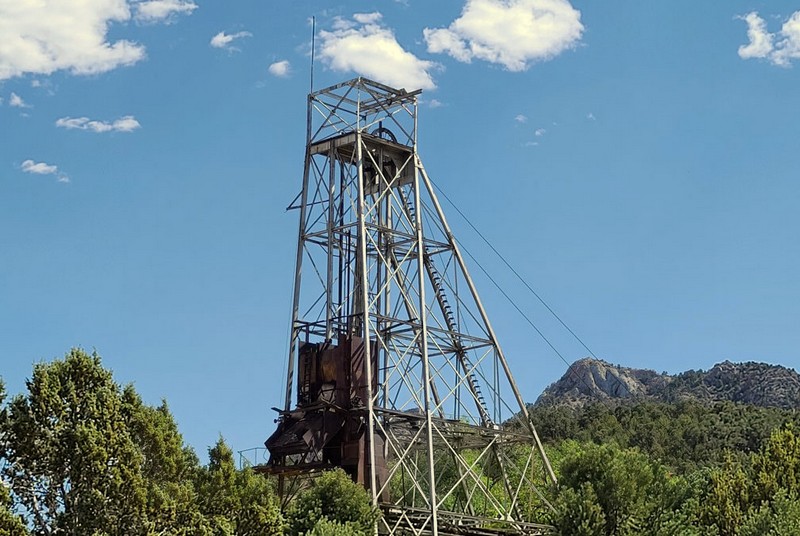
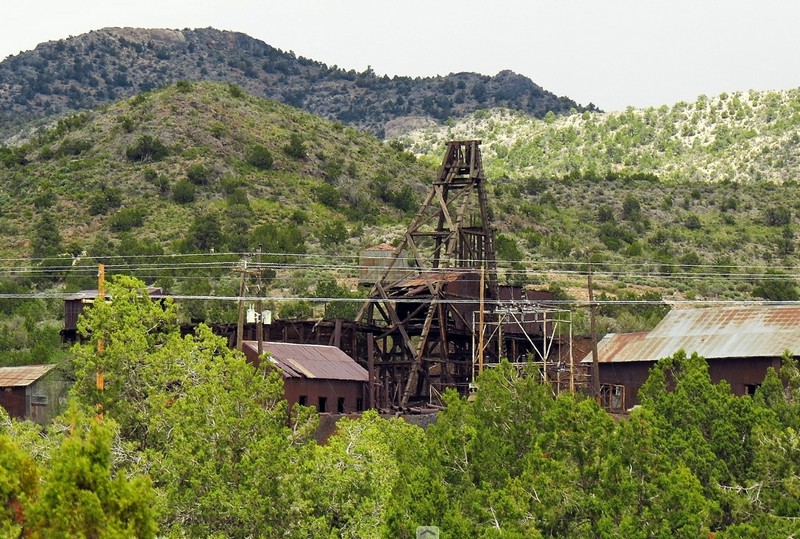
Tucked near Caselton in the Pioche Mining District, the Prince Mine carved out its place in Nevada mining history mining lead. First discovered in 1869, serious development didn't begin until 1907 when J.L. Hackett and the Godbe brothers formed the Prince Consolidated Mining Co. Their ambitious move in 1912 to build a railroad straight to the mine marked a new chapter.

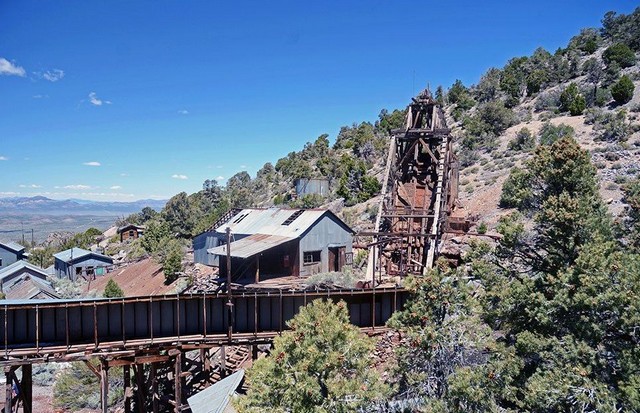
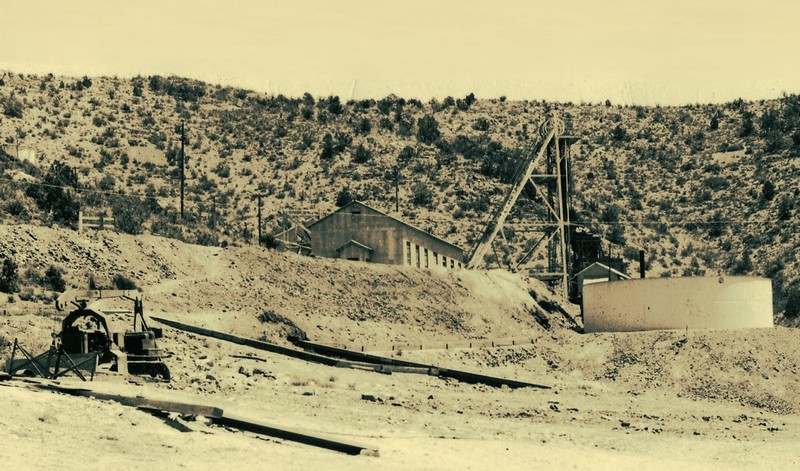
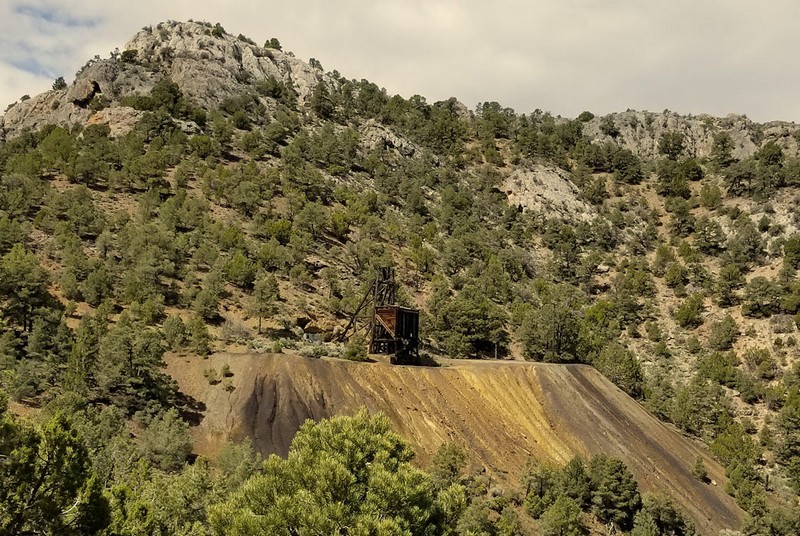
They worked the underground shafts hard-over 3,000 feet of tunnels and depths reaching 850 feet. Ore came from beds with names like the Big Bed and the Davidson, and mining shifted from caving to the more controlled shrinkage method. By the 1920's, much of the early ore was gone, and the mine was deep in financial trouble. It changed hands and continued for a few more years before closing in 1926.


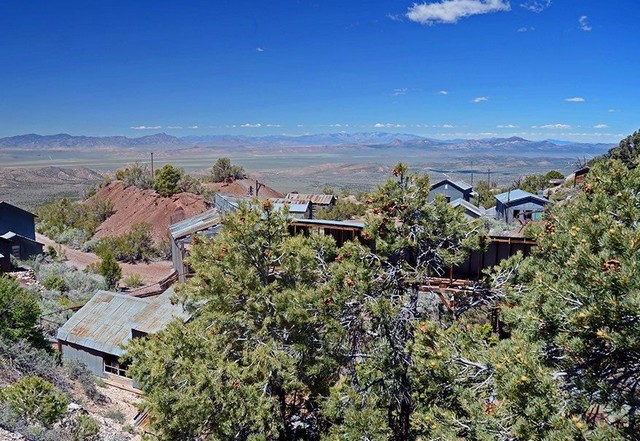
The Prince Mine is situated near Caselton, Nevada, and has historically been a part of the Pioche Mining District. Its existence dates back to its discovery in 1869. Currently, the Prince Mine is closed and there are no known plans for its re-opening. During its active period, the mine was considered to have a small production size. The Prince Mine primarily operated as an underground mine, utilizing a single known shaft. The subsurface depth of the mine reaches a maximum of 259 meters (850 feet), while its total length extends to 914 meters (3,000 feet). The ore extracted from the mine consists of braunite, phosgenite, and galena, with the waste material primarily composed of sericite, apatite, and goethite. According to records from 1983, the Prince Mine encompasses two tabular shaped ore bodies. One of these ore bodies is approximately 380 meters (1,246 feet) long and 13 meters (42 feet) thick. The host rock in this area is shale. The surrounding area of the Prince Mine is characterized by the Great Basin of the Intermontane Plateaus, which influences the geomorphology of the region.


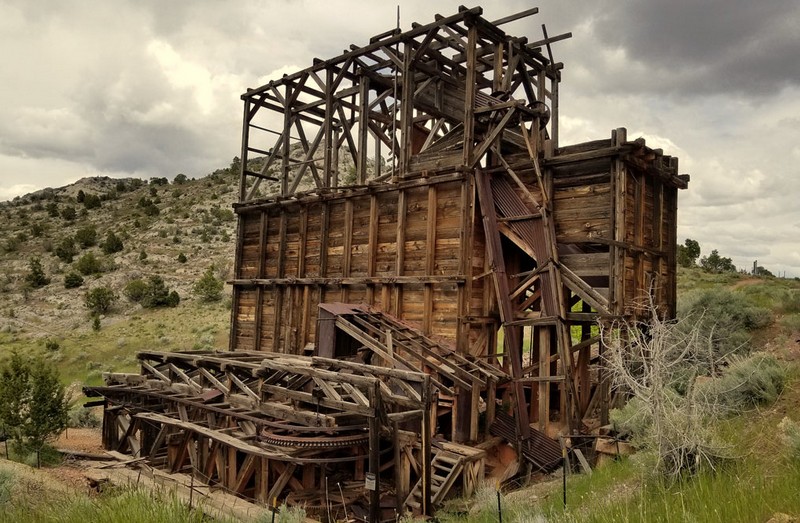
4 PATENTED CLAIMS, 1 PATENTED FRACTION, AND 14 UNPATENTED CLAIMS ALL COVERING 386 ACRES. THE PRINCE MINE WAS DEWATERED SHORTLY AFTER CONSTRUCTION OF THE CASELTON MILL, AND COMMENCED SULFIDE ORE PRODUCTION FROM THE 835-FEET OR BOTTOM LEVEL. DEPLETION OF SULFIDE ORE RESERVES CAUSED THE MINE TO CLOSE PRIOR TO 1951. IN EARLY YEARS, THE ORE WAS IN DEMAND AS A FLUXING ORE BECAUSE OF ITS HIGH IRON-MN CONTENT. PRINCE CONSOLIDATED MINING CO WAS FORMED IN 1907 BY J. L. HACKETT OF KENTUCKY AND THE GODBE BROTHERS OF SALT LAKE CITY, WHO LATER BUILT A RAILROAD FROM PIOCHE TO THE PRINCE MINE (1912 ). FROM 1912 TO 1921 LARGE ORE BINS WERE BUILT AND A LARGE OREBODY WAS DEVELOPED. FIRST MINING WAS DONE BY CAVING BUT A SHRINKAGE SYSTEM WAS LATER ADOPTED. MOST SHALLOW BEDDED ORE CAME FROM THE BIG BED AND THE TWENTY-FOOT BED. BY 1920 MOST OF THESE OREBODIES WERE EXHAUSTED AND MOST OUTPUT CAME FROM THE DAVIDSON OREBODY, TAKEN OVER IN 1918. THE MINE WAS IN FINANCIAL TROUBLE 1920-1923 WHEN THE COMPANY WAS.

TAKEN OVER BY THE OWNERS OF THE ADJACENT VIRGINIA LOUISE MINE, AND THE WORKINGS ON THE PRINCE 835 LEVEL WERE EXTENDED, AFTER WHICH THE SULPHIDE ORE BODY AND THE SILVER BED WERE DEVELOPED AND MINED UNTIL 1926.


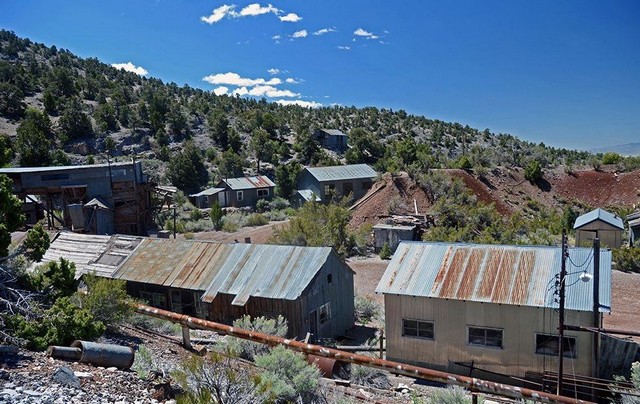
THE PRINCE AND VIRGINIA LOUISE WORKINGS ARE CONNECTED ON ONE LEVEL-THE 3RD LEVEL OF THE PRINCE AND THE 2ND LEVEL OF VIRGINIA LOUISE CONNECT AT DEPTH OF 268 FEET. THE WORKINGS CONSISTED OF TWO VERTICAL SHAFTS AND A 65 DEGREE INCLINED SHAFT WITH 6 LEVELS, DRIFTS, CROSSCUTS, RAISES. IN 1983, THERE WAS A GLORY HOLE, SHAFTS, MILL AND SMELTER, TOWNSITE WITH PEOPLE STILL LIVING THERE; MINE BUILDINGS USED FOR STORAGE. THE WORKINGS CONSISTED OF TWO VERTICAL SHAFTS AND A 65 DEGREE INCLINED SHAFT WITH 6 LEVELS, DRIFTS, CROSSCUTS, RAISES. IN 1983, THERE WAS A GLORY HOLE, SHAFTS, MILL AND SMELTER, TOWNSITE WITH PEOPLE STILL LIVING THERE; MINE BUILDINGS USED FOR STORAGE. ORE DEPOSITS ARE IRREGULAR REPLACEMENT BODIES IN FLAYERS IN STRATIGRAPHIC INTERVAL OF OVER 1, 200 FEET. THEY ARE OXIDIZED MANGANIFEROUS FLUXING ORES. HIGH GRADE LEAD-SILVER ORE WAS MINED FROM 2 QUARTZ VEINS AND AN IRREGULAR SILICEOUS REPLACEMENT BODY. AT THE PIOCHE SHALE/PROSPECT MOUNTAIN QUARTZITE CONTACT THERE IS A SILICEOUS ORE WITH 10% ZINC. TWO FISSURE VEINS CONTAINING SILICEOUS ORE PRESENT UNDERGROUND IN THE PRINCE MINE, ROUGHLY PARALLEL, ORE VEIN COMPLETELY OXIDIZED, THE OTHER CARRIES SOME SULFIDE ORE. ORE IN THESE FISSURES IS ERRATIC IN DISTRIBUTION. VEIN WITH SULFIDE ORE CARRIES 10-25% LEAD, 35 OZ SILVER. DEEPEST WORKINGS ON THE FISSURE VEINS ARE OXIDIZED, CONTAINS SPOTTY METAL CONTENT, IN PLACES UP TO 100 OZ AG/TON. HOST ROCKS STRIKING N-S, DIPPING 15E.


Production Year? Amount Mined? Material? Comment

1918-1925 3 wt-pct Lead

1918-1925 12 wt-pct Manganese

1918-1925 85 grams/metric ton Silver


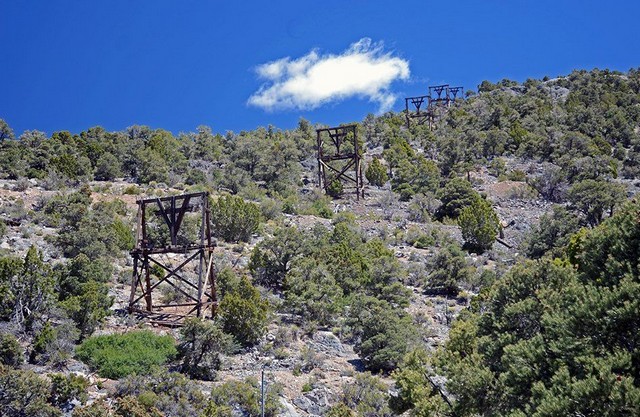
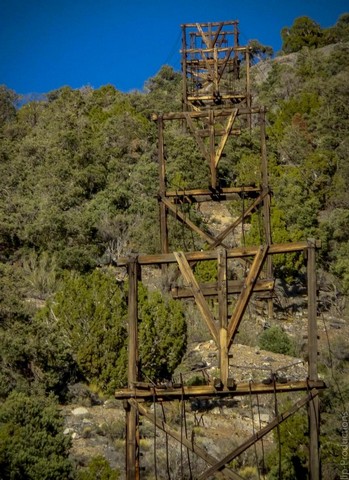
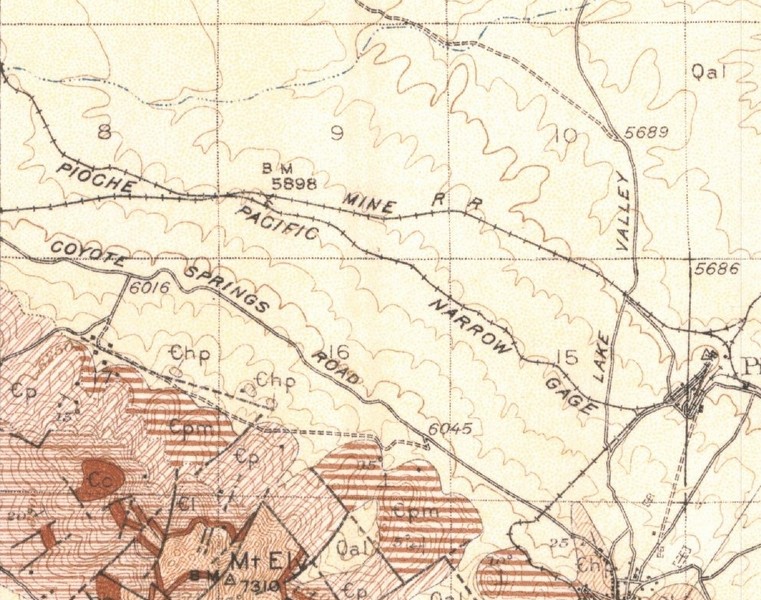
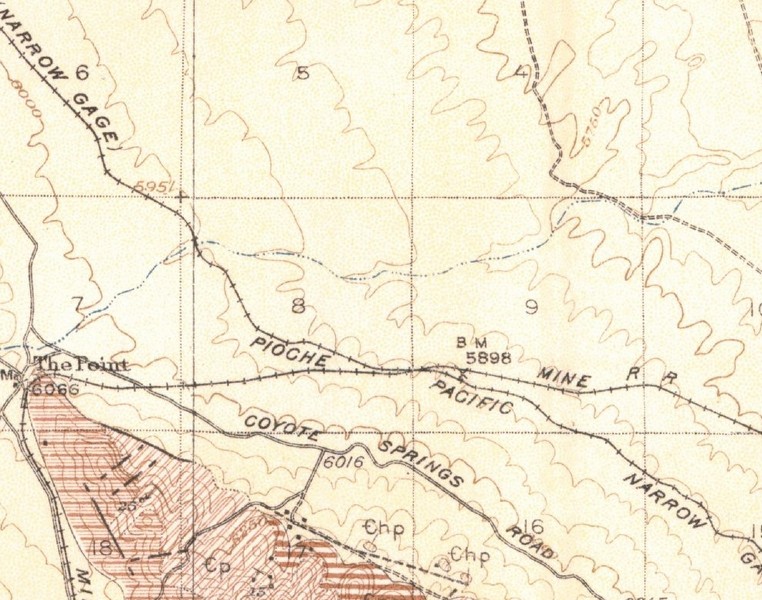
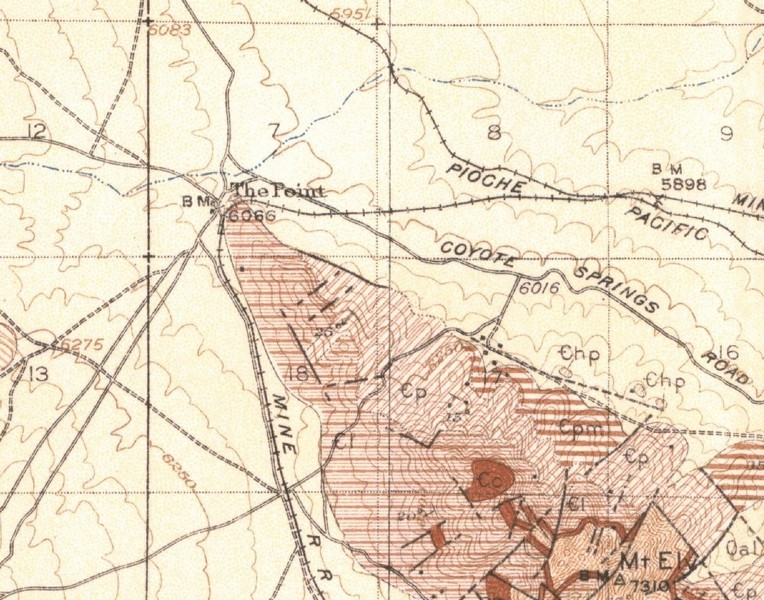
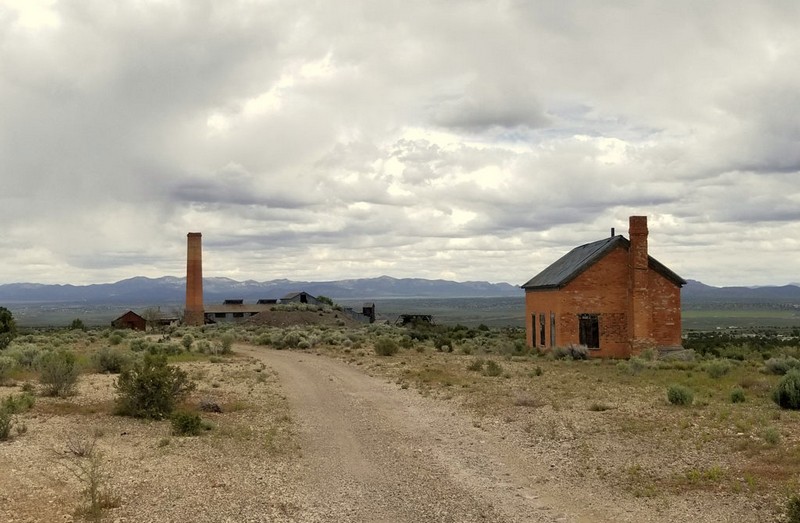
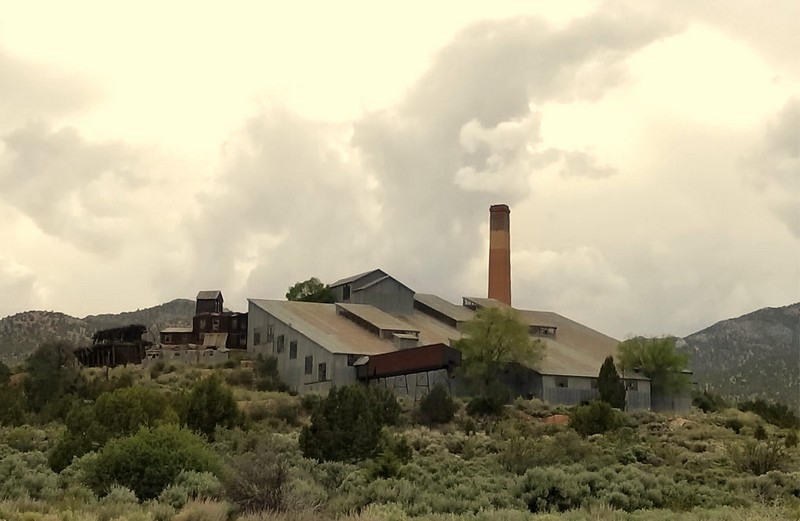
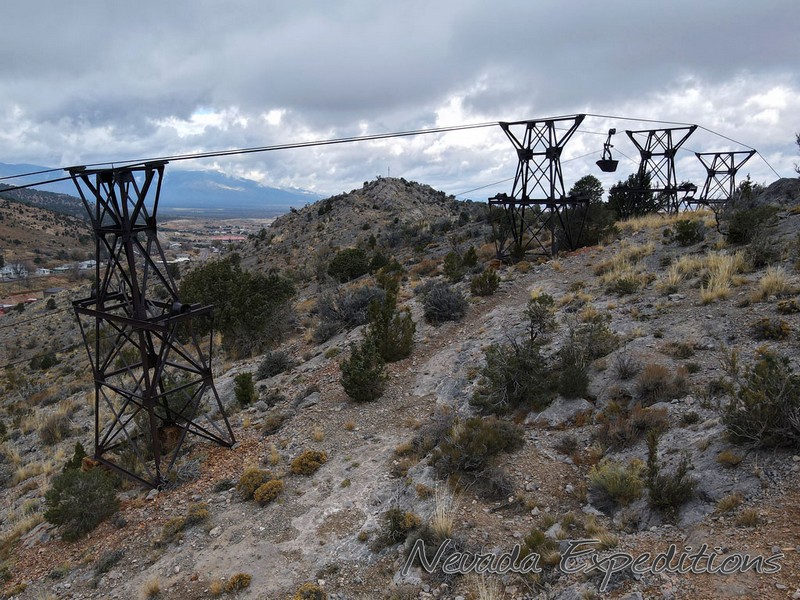
The Pioche Consolidated Mill, also known as the Godbe Mill, was originally built in 1891 by the Pioche Consolidated Mining & Reduction Company, organized by William S. Godbe the previous year. It processed ore not only for Pioche, but also Royal City and other nearby camps and was connected to the mines by the Pioche Pacific Railway. The mill burned in 1893, but was quickly rebuilt. In 1913 rails were laid by the Prince Consolidated Mining Company, allowing ore from the Prince Mine west of Treasure Hill to be transported to the mill. In 1923, the Pioche Consolidated Mining & Reduction Co. was purchased by the Combined Metals Reduction Co., and the Godbe Mill was reconfigured to a 250-ton flotation concentrator. It burned again in 1929, but was rebuilt yet again. Around this time, an aerial tramway was built to transport ore from the mines on Treasure Hill. The tramway was mostly powered by gravity, with the weight of full ore buckets traveling down pulling empty buckets back to the top. The process was aided by a five horsepower motor, and in 1928 the cost to deliver the ore was only 6ยข per ton. The mill closed sometime around 1980.


Disclaimer: We search for HISTORY as a hobby. Endless souces. Much can come from others neverless endless sources. Does this website sell anything ? NO Donations ? NO. This is non-commercial. I consider my websites under copyright. Again..no money here !! Educational.


go back