
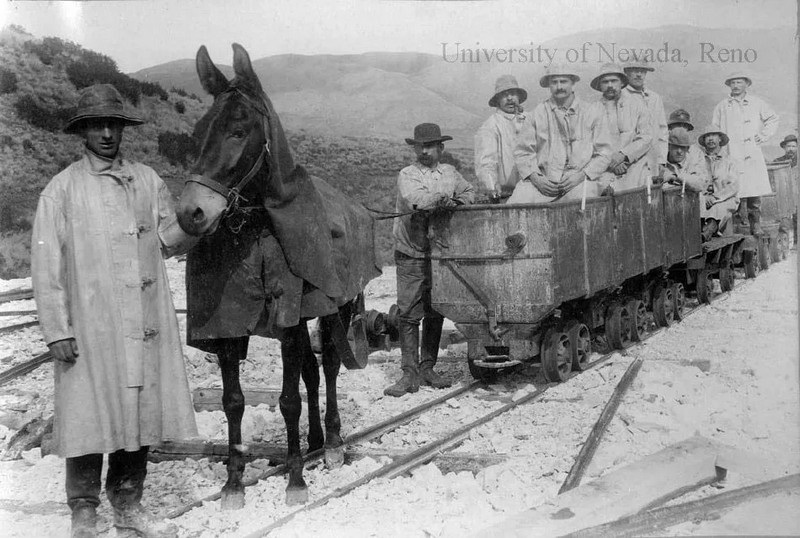
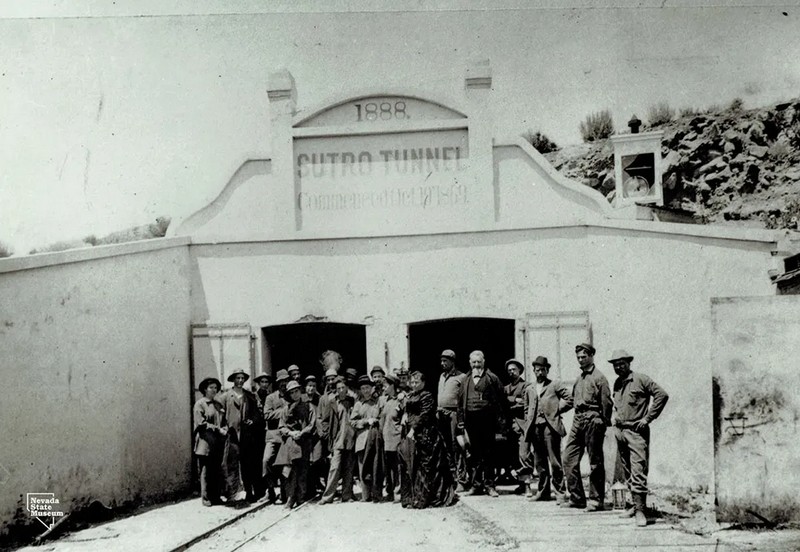
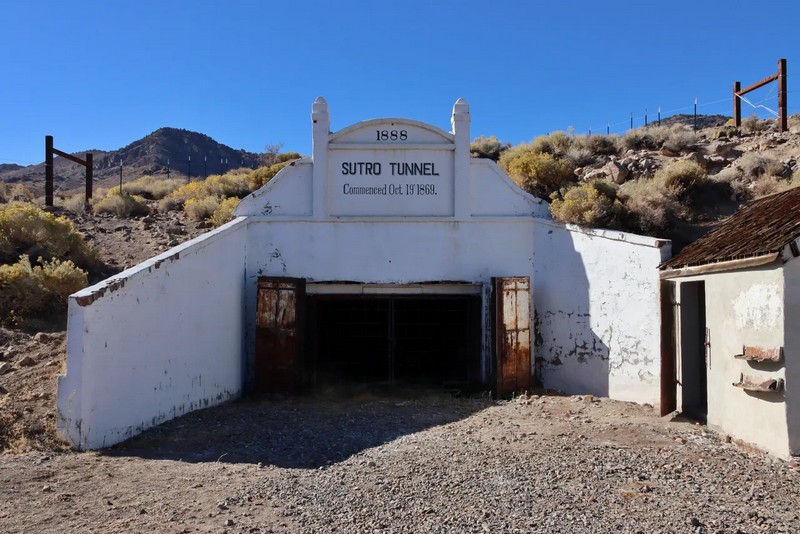
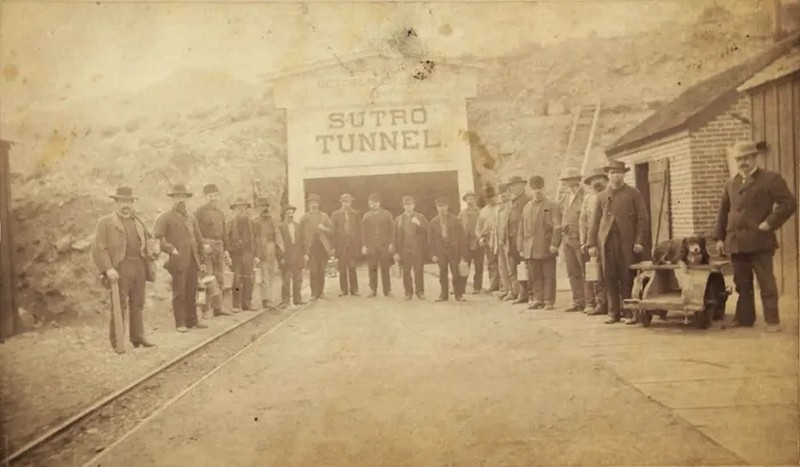
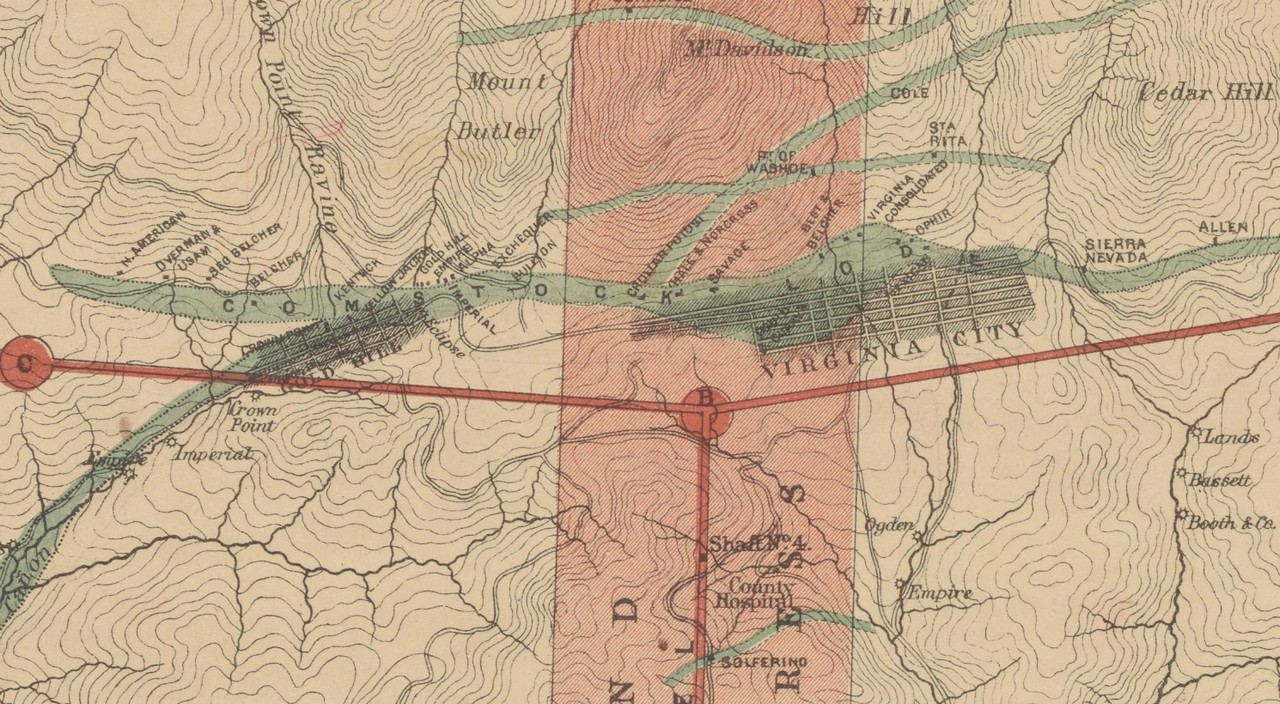
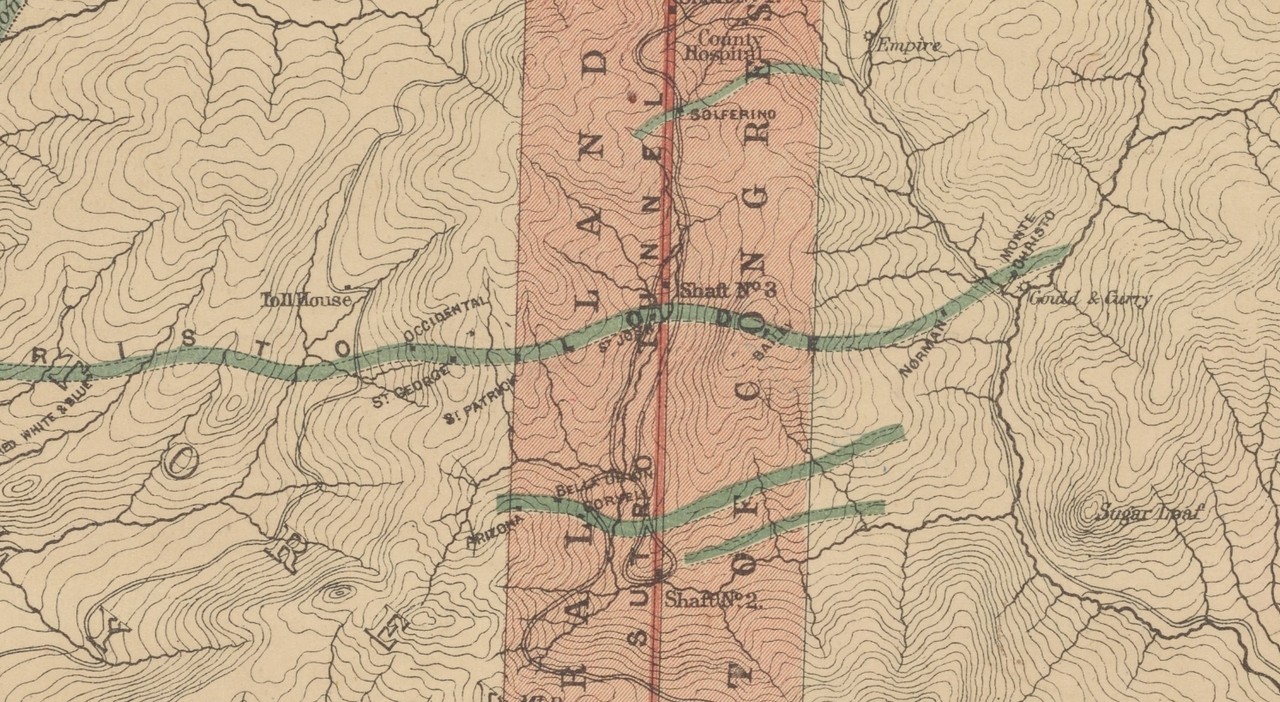
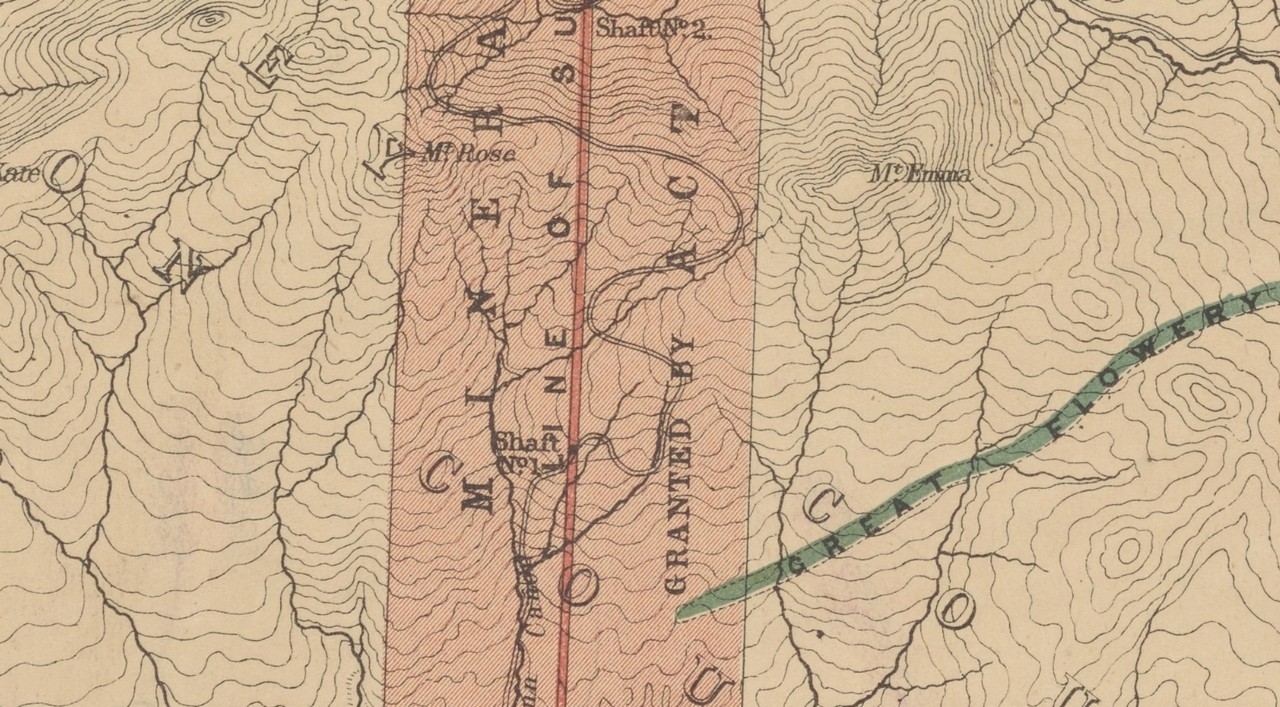
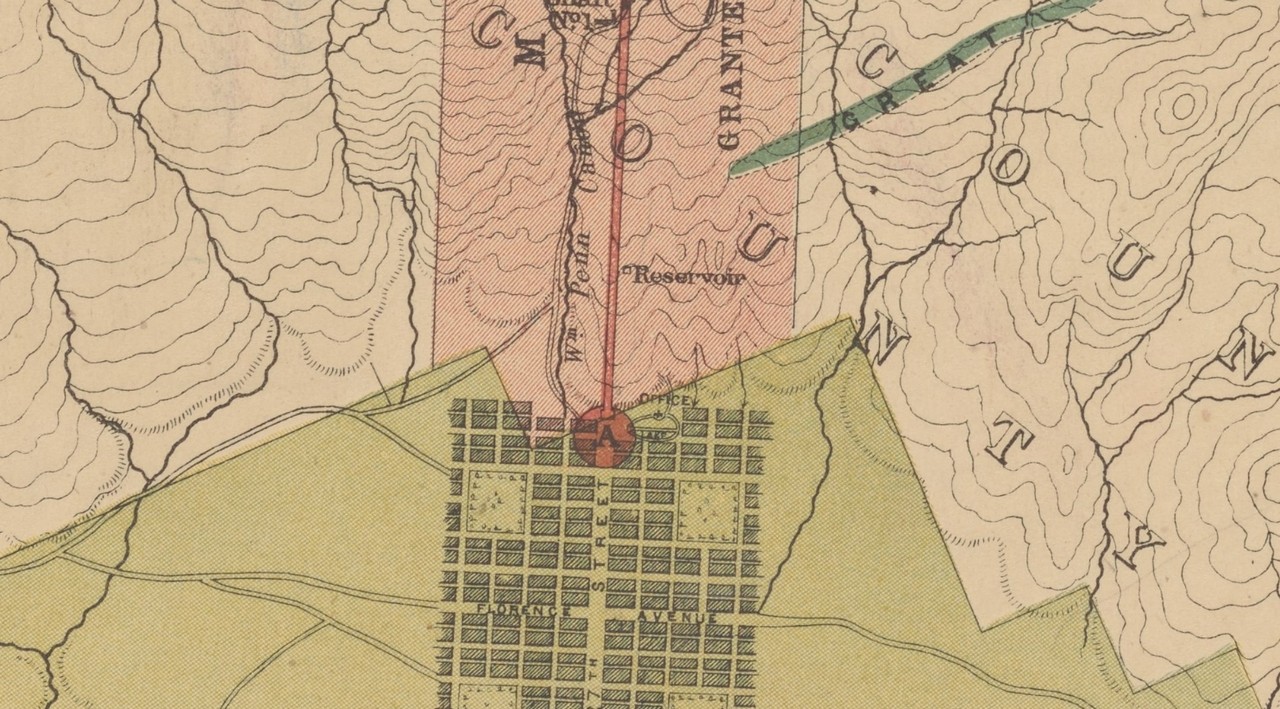
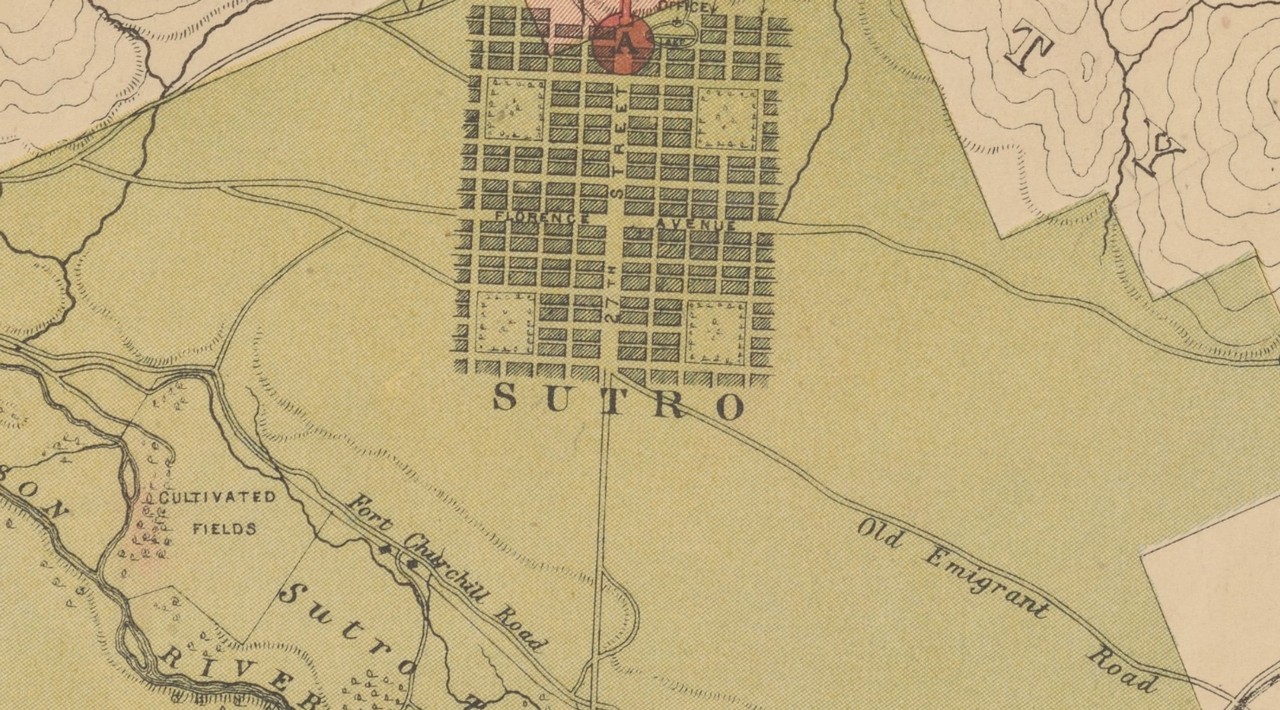
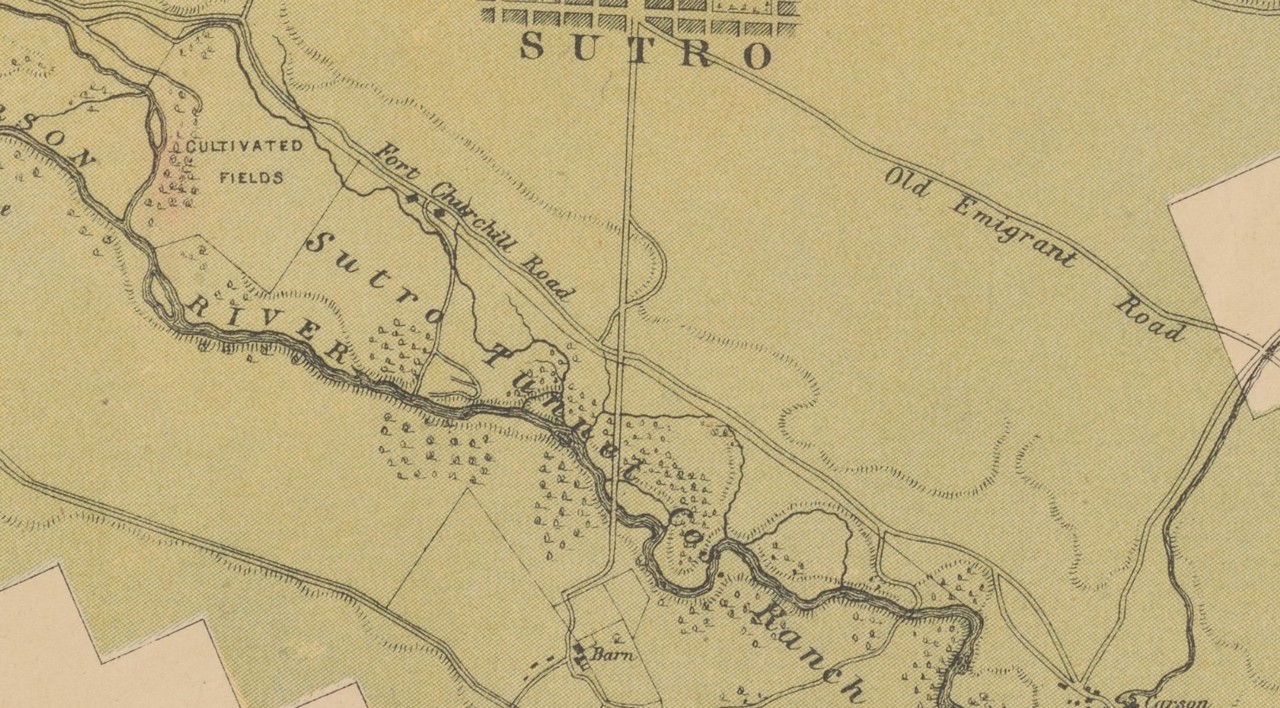
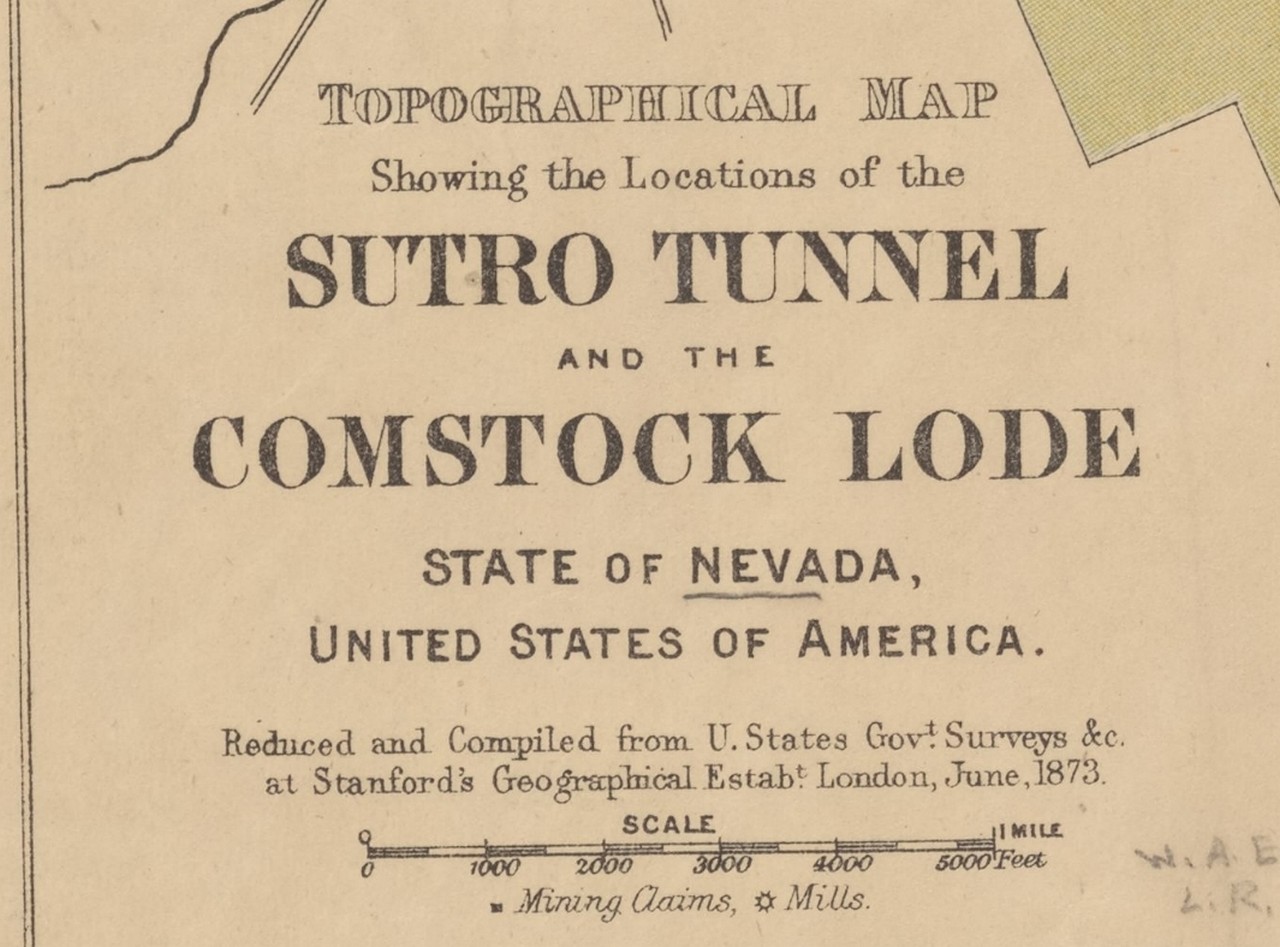
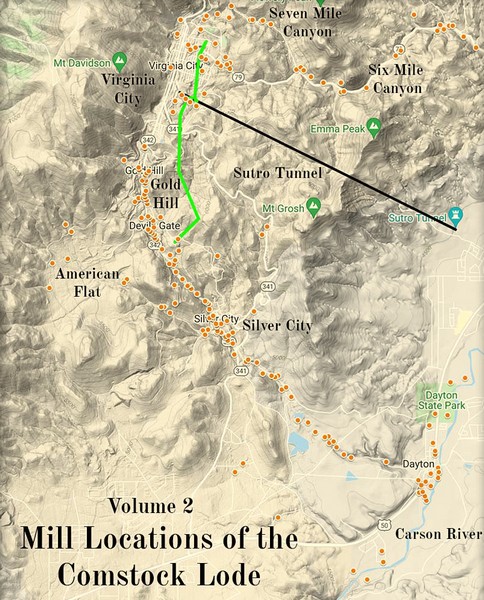
By 1865, Sutro's idea had gained the approval of the state and US federal governments. The mining interests of the Comstock initially supported the project, but later opposed the idea. They feared that an alternate access point to the Comstock minerals would threaten their monopoly on the mining and milling of gold and silver in the Comstock.
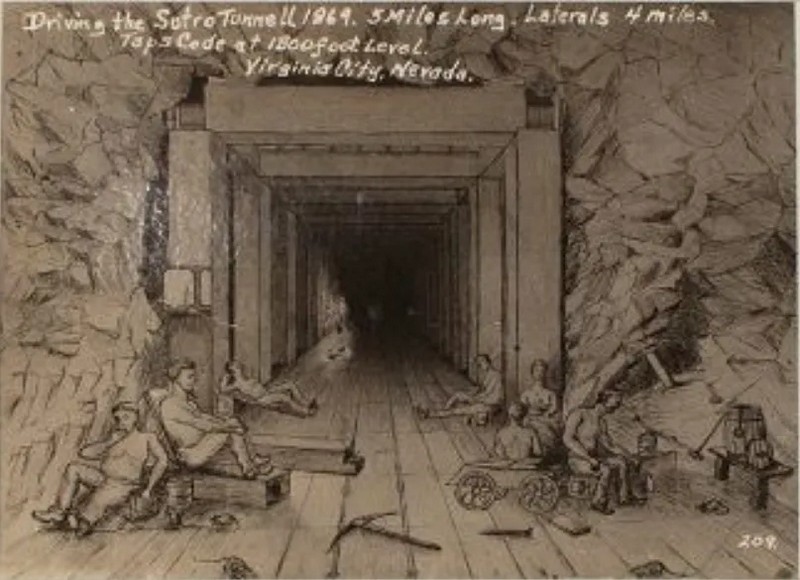
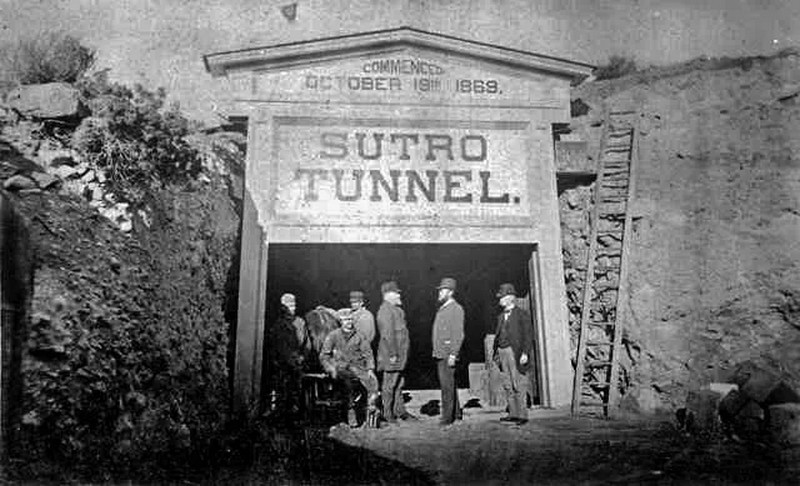
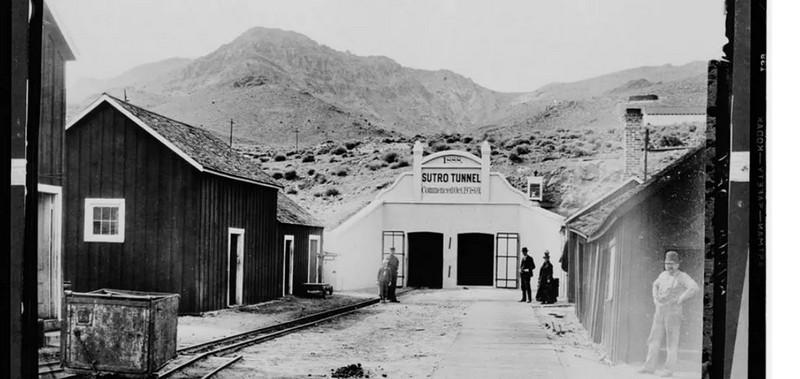
Nonetheless, Sutro formed the Sutro Tunnel Company, selling stock certificates to raise funds for its construction, which began in 1869. Financing also came from local miners motivated by the prospect of improved mine safety. This motivation was further advocated by Sutro after the Yellowjacket mine disaster where dozens of miners were burned to death because they could not escape.
Arthur De Wint Foote worked on the tunnel in 1873, but was fired in 1874, having struck a flood of water in Shaft No. 2.
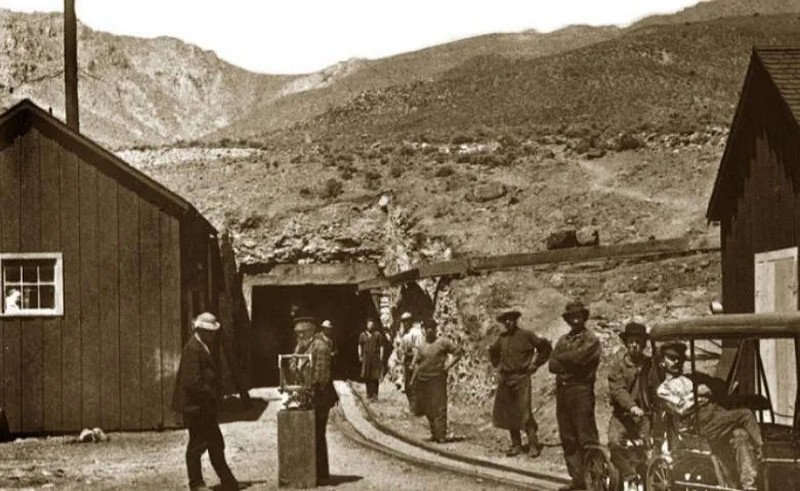
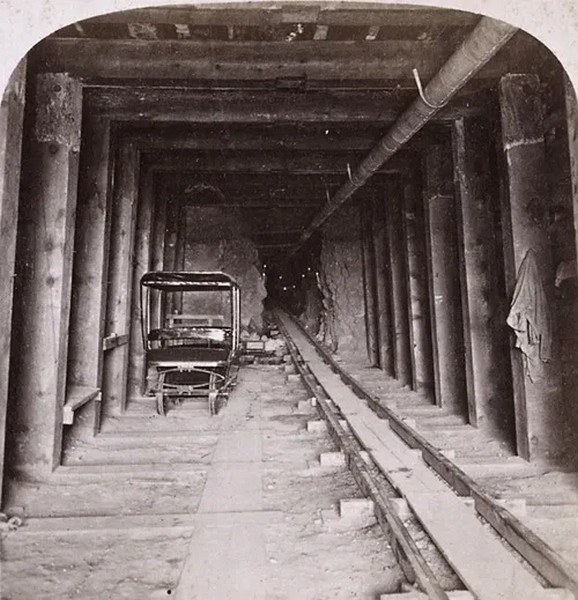
The main tunnel connected to the Savage Mine in 1878, the North and South branches were completed in 1879. Water was released from the mines on June 30 of 1879. Upon completion, Adolph Sutro sold his interest in the tunnel company. However, he stayed on as a board member and moved to San Francisco, later becoming mayor, building the Sutro Baths and much more. Adolph's brother Theodore Sutro then took over control of the Sutro Tunnel Company until 1894 when he then sold it to Franklin Leonard Sr.
The U.S. Congress granted the Sutro Tunnel Company an exclusive charter on July 25, 1866. The charter gave Sutro the right to purchase public land at $1.25 per acre to use for construction of the tunnel, and $5.00 per acre for land within 2,000 feet of the tunnel which contained mineral veins and lodes. It also specified that all persons, companies or corporations owning claims benefitted by the tunnel would be required to contribute to the costs of its operation.
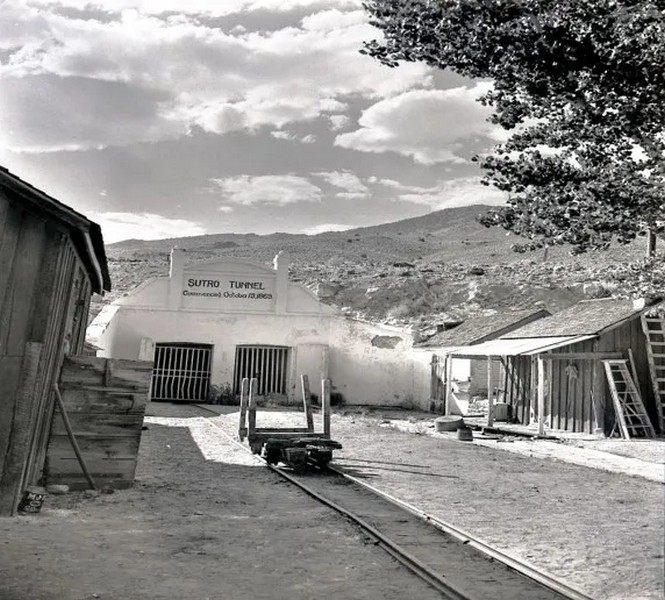
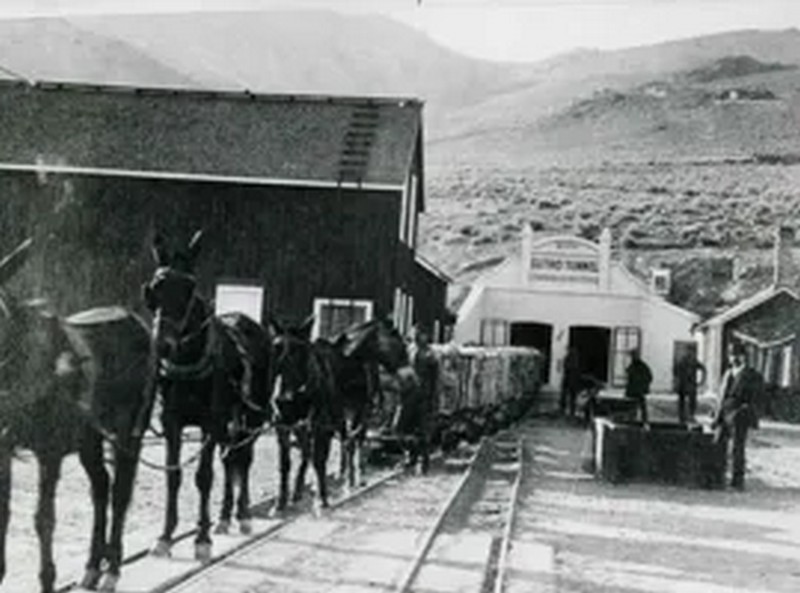
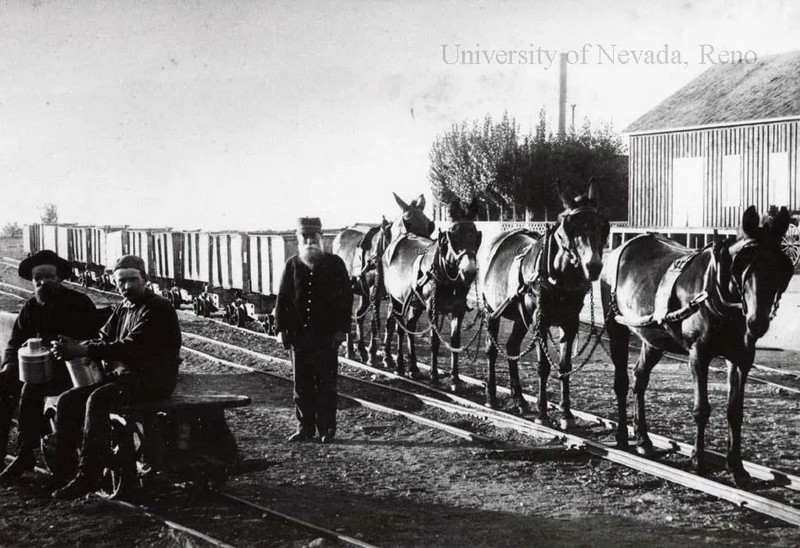
Sutro encountered considerable difficulty in raising the capital necessary for construction. The sale of stock in the Sutro Tunnel Company enabled construction to begin in 1869 but he was eventually forced to turn to England where, beginning in 1872, he obtained major financing from the banking house of McCalmont Brothers and Company. The tunnel connected with the Savage Mine in 1878. Contracts which helped pay for lateral tunnels were signed with twenty-four mining companies in April of the following year. Two months later the tunnel project was completed, and by 1880, Sutro had sold his stock in the company. The tunnel was in use for fifty years and was a success as a means of draining hot water from the mines. Financially it was a loss, as stock became worthless with the decline of Comstock Lode. Portions of the tunnel are still intact today.
